


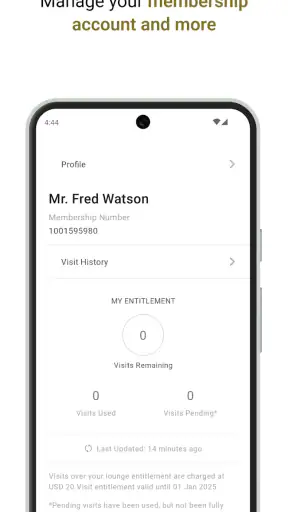
Airport time is rarely relaxing, especially when I am moving between terminals, watching a departure board, and trying to decide whether paying for food is worth it. Priority Pass™ is built around a simple idea: help members find and use participating airport lounges instead of leaving them to search the terminal unaided. I have found the app most useful as a practical travel companion rather than as a reason to plan an entire trip around lounge access.
It is a free Travel & Local app from Priority Pass, rated for Everyone. The current version is 6.74.1, and it supports devices running Android 8.1 or later. Its scale is reassuring: it has passed five million installs, with an average rating of 4.3 from roughly 56 thousand ratings. Those figures do not guarantee a perfect airport experience, but they do suggest that the app is established enough to be worth testing before an important journey.
How Priority Pass™ feels in current use
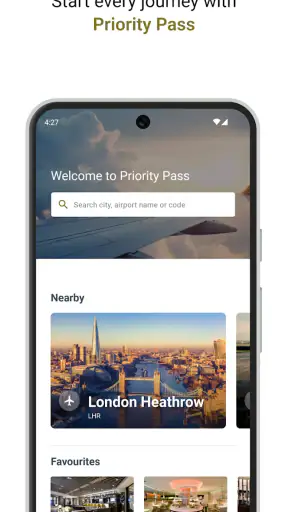
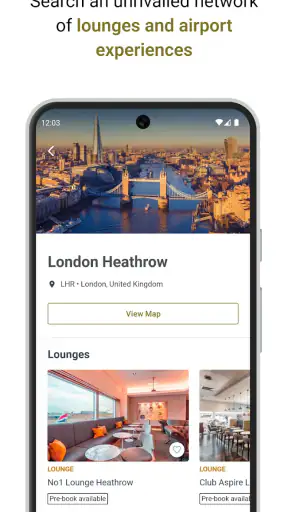
The first thing I like is that the app gives lounge discovery a clear purpose. Rather than opening a general map and searching for vague terms such as “airport lounge,” I can look for Priority Pass locations and examine the options associated with my airport. The service covers more than 1,500 lounges worldwide, so it is aimed at frequent travelers and occasional flyers who want one consistent place to check access possibilities.
That focus also makes the app easier to understand than many broader travel tools. A flight-booking app may show terminals, gates, hotels, and transport, while a map app may show businesses without explaining whether a lounge belongs to a membership network. Priority Pass keeps the question narrower: where can I potentially use my membership, and what should I know before walking there?
I say “potentially” deliberately. Installing the app is free, but the app itself is not a universal promise of complimentary entry. Access depends on the membership arrangement a traveler has and on the conditions attached to that membership. This is one of the most important distinctions to understand before relying on it. The app is useful for managing the lounge side of a trip; it does not automatically turn every displayed location into a free benefit.
Finding a lounge without wasting terminal time
My preferred workflow is to check the app before leaving for the airport, not while standing in a security queue. I search the destination or airport, inspect the available lounge choices, and note where each one sits in relation to my expected terminal. This small amount of preparation matters because “inside the airport” does not necessarily mean “convenient for my departure.” A lounge in another concourse may be technically available but impractical if changing areas requires a long walk or another security check.
At the airport, I use the app as a confirmation tool rather than my only source of navigation. Airport signs and staff are still better for immediate directions, particularly when construction or a terminal change affects the route. The app helps me identify the target; the airport itself usually provides the final steps.
A useful habit is to check the lounge details again on the day of travel. Airport operations can change, and a lounge’s location or access conditions are more relevant at that moment than during trip planning. I would not treat a screenshot saved weeks earlier as sufficient preparation. Keeping the app available and checking the current listing gives me a better chance of noticing an important change before I walk across the terminal.
What the app adds beyond a normal airport map
A standard map can tell me that a lounge-shaped business exists, but it does not necessarily answer the membership questions that matter at the entrance. Priority Pass is more useful because its listings are tied to the network rather than to a generic place category. That distinction saves time when an airport has several lounges with similar names or when a terminal contains facilities that are not part of the same access program.
The app also gives my travel planning a more realistic shape. Instead of assuming that every airport stop will offer the same experience, I can compare the available lounge options at each connection. If one airport has a convenient location and another requires a terminal transfer, I can decide where lounge time is genuinely worthwhile. For a long layover, that information may influence where I sit, eat, or work. For a short connection, it may tell me not to bother leaving the gate area.
That is a subtle strength: the app is not only for finding a lounge. It helps me decide whether using one makes sense at all.
A realistic travel-day example
Imagine I have an early flight followed by a long connection in an unfamiliar airport. Before leaving home, I open the app and check the connection airport rather than only the first departure point. I look at the lounge locations, compare them with the terminal shown on my itinerary, and make a simple plan: if the connection remains long enough after disembarking and walking to the next gate, I will visit the closest suitable lounge; if not, I will stay airside near the gate.
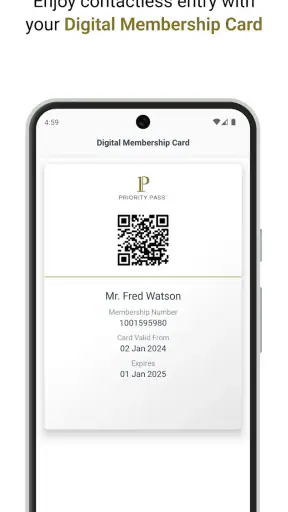
When I land, I check the listing again. If the lounge is located in a different concourse, I consider the return journey before entering. This prevents a common mistake: spending most of a layover walking toward a lounge and then rushing back for boarding. If I do enter, I keep my boarding pass and membership information ready, because searching through several screens at the desk is exactly the kind of small delay I want to avoid.
For this kind of traveler, the app is valuable because it turns an uncertain connection into a choice with clearer trade-offs. It cannot control the airport, but it can reduce the amount of guesswork.
How the product has developed
Priority Pass was released on May 17, 2011, so this is not a new travel experiment. The current version, 6.74.1, shows that the app has continued to evolve rather than remaining a static directory. I see that evolution mainly in the way a mature lounge service needs to keep its mobile experience aligned with a changing airport network. A lounge finder is only useful when its information remains practical for people traveling through different countries, terminals, and airport layouts.
I would be careful, however, about interpreting a version number as proof that every individual pain point has been solved. A newer release can improve the overall product without eliminating the uncertainty created by airport crowds, temporary restrictions, or membership-specific rules. The current app feels like a maintained tool, but maintenance is not the same as a guarantee of identical service at every location.
For existing users, the main effect of ongoing development is convenience. Keeping the app updated should make it more sensible to consult the current listing before a trip, instead of depending on old notes or a saved web page. It also reinforces the idea that the app should sit alongside a boarding-pass app and airport signage, not replace them.
Where it can still be frustrating
The largest limitation is outside the app’s direct control: a lounge may be busy, operating under special entry conditions, or unsuitable for a particular connection even when it appears in the network. A directory can identify an option, but it cannot create seating during a crowded travel period. I would not choose a flight solely because I expect a lounge to make the journey comfortable.
There is also a difference between discovering access and understanding the cost of access. Because the app is free to install, a new user might assume that the displayed lounges are free to use. That assumption can lead to an unpleasant surprise. Before traveling, I would check the terms of the membership or payment method connected to my account and make sure I understand guest rules and possible charges. The app is the place to investigate the lounge, but the traveler still has to know what their own plan permits.
Location is another source of friction. Airport layouts are not always intuitive, and a lounge can be close on a map while being far in walking time. I pay attention to the terminal and concourse information, then leave extra time for elevators, people movers, security procedures, and the return trip to the gate. This is especially important for travelers with mobility needs, families, or heavy carry-on luggage.
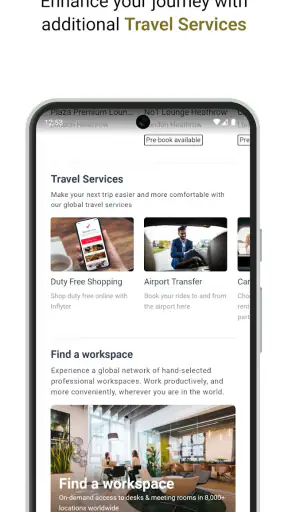
The app is also not the best choice for someone who wants a complete airport guide. If my main need is gate tracking, baggage information, public transport, or a restaurant search, I would use the airport’s own app or a general travel application as well. Priority Pass has a narrower job, and that narrowness is both its advantage and its boundary.
Small habits that make it more useful
I recommend checking the app at three separate moments: during trip planning, shortly before entering the airport, and during a long connection. The first check helps me understand the options; the second catches last-minute changes; the third confirms that the plan still works after delays or a gate reassignment. This three-stage routine is more reliable than opening the app only after I have already crossed the terminal.
I also record the practical details in my own travel notes: the terminal, the approximate walking direction, and whether visiting would require leaving my current area. I do not copy every detail blindly, but writing down the decision helps me avoid repeatedly reopening the app while carrying luggage. The app remains the source I consult when something changes.
Another useful trade-off is deciding whether a lounge visit is worth the time. For a connection of several hours, the answer may be yes, especially if I need a quieter place to sit. For a short connection, the walk, check-in process, and return to the gate may consume the benefit. I treat the app as a decision aid, not a command to use a lounge whenever one appears.
Travelers who move between countries should also avoid assuming that every lounge will feel familiar. The network is global, but airport facilities differ widely. I use the listing to set expectations about where the lounge is and whether it fits my route, while keeping my plan flexible enough to continue without it.
Who should install it
I think Priority Pass is a strong fit for people who already have a Priority Pass membership, travelers who make frequent connections, and anyone who regularly visits unfamiliar airports. It is especially useful when the airport is large enough that finding a lounge independently would take time. The free installation makes it easy to keep available even if I only use it a few times each year.
It can also help occasional travelers who are comparing membership options. The app lets them understand the network’s practical reach before deciding whether lounge access would suit their habits. Someone who usually flies nonstop from a small regional airport may gain little, while someone who spends hours connecting through major international airports may find the service much more relevant.
I would skip it if I never use airport lounges, always travel through airports where I already know the layout, or need one app to handle every part of a journey. It is not a replacement for airline notifications, a boarding-pass wallet, or an airport navigation tool. Installing it will not improve a trip if lounge access is not part of the traveler’s priorities.
What I would like users to watch
Existing users should watch the app’s lounge information before each significant journey, especially when the itinerary includes a connection or a terminal change. The important question is not simply whether a lounge is listed, but whether its location and access conditions fit the specific trip. That mindset prevents the most common disappointment: reaching a lounge and discovering that the plan was based on an assumption rather than a current check.
I would also watch how the current version continues to balance a broad international network with clear, quick information. A mature travel app earns trust through small moments: finding the right airport quickly, understanding the relevant listing, and making the next decision without confusion. Those are the areas that matter more to me than decorative changes.
My final view is positive but practical. Priority Pass™ is most valuable when used as a planning and verification tool, not as a promise that every airport stop will be effortless. It gives lounge members a focused way to explore a worldwide network, and its long history plus current version suggest an actively maintained product. I would install it before any trip involving an unfamiliar airport, then pair it with official airport information and my own timing judgment. That combination makes the app genuinely useful while keeping expectations realistic.


